
Why Life Sciences Companies Are Choosing Indiana (And What They’ll Need Once They Get Here)

How to Tell Confidence from Competence in an Interview
October 21, 2026If you work in pharma, biotech, or medical devices, there’s a decent chance someone has said at a planning meeting lately, “We’re looking at Indiana.”
Ten years ago, that line might have sounded unexpected. These days, more companies are asking where they can build, make their products, and get them where they need to go.
There’s a reason for the interest. Indiana has a strong life sciences manufacturing base, and companies are adding to it.
So, what’s drawing companies here, and what should they be thinking about before production begins?
The numbers tell part of the story
Several companies are making significant investments across the state.
Eli Lilly has committed more than $21 billion in planned Indiana investment since 2020, including its latest expansion in Lebanon. In Fishers, INCOG BioPharma announced a $200 million expansion and expects to employ nearly 1,000 people there by 2030.
The state is investing too. Indiana launched a $1 billion, 10-year initiative aimed at creating 100,000 new jobs across plant, animal, and human health.
And Indiana’s life sciences sector was already quite extensive. According to BioCrossroads, Indiana’s life sciences sector employs about 70,000 Hoosiers across 3,200 establishments. This has contributed in $99 billion to the state’s economy. Indiana also leads the nation in pharmaceutical and life sciences exports
Taken together, these investments point to one thing: companies are building on an industry that’s already here, with the people, businesses, and infrastructure to keep it growing.
Why Indiana?
When companies weigh where to expand, a few benefits tend to come up.
1. Room to grow
Life sciences manufacturing takes space. Clean rooms, warehouses, utilities, and, ideally, room for the next phase.
Coastal hubs like Boston and San Diego are important centers for research. But finding affordable acreage for a large production campus can be another story. Central Indiana offers room to build, often without a coastal price tag.

AVA Navigate, CC BY-SA 4.0, via Wikimedia Commons
2. The Crossroads of America earns its name
Indiana’s state motto earns its keep here. Several major interstates meet in Indianapolis, which puts a big share of the country within a day’s drive.
Then there’s the airport. Indianapolis is home to the second-largest FedEx Express hub in the world, behind only Memphis. FedEx has also opened a cold-chain facility at the Indy hub.
For products that need to stay within a specific temperature range from production line to patient, logistics matter. A lot.
3. An ecosystem, not an island
Companies rarely want to be the only life sciences employer in town. In Indiana, they won’t be.

Momoneymoproblemz, CC BY-SA 4.0, via Wikimedia Commons
Lilly anchors the region. Warsaw is known as the Orthopedic Capital of the World. Purdue and Indiana University feed research and talent into the mix. Suppliers, contract manufacturers, and service partners are already here.
That gives companies a network to build on and gives people in the industry more than one place to take their experience.
The part that doesn’t make the press release
A ribbon cutting is exciting. It also doesn’t make medicine. People do.
Before a new life sciences facility can ship anything, it must be commissioned, qualified, and validated. Quality systems need to be built and documented. Teams need to be ready for audits and inspections.
That takes specialized people, and plenty of them.
Here’s the challenge: companies expanding in Indiana are often looking for the same people at the same time.
When Lilly, INCOG, and dozens of other companies expand in the same region at once, they’re fishing in the same pond. They all need validation engineers, quality leaders, and regulatory specialists. Indiana’s own industry groups have been raising this flag for years. A 2022 BioCrossroads and Ascend Indiana white paper found the state’s pharma manufacturing boom was challenged by a shortage of qualified workers.
Many expansion plans include an assumption that hiring can be figured out along the way. This is understandable. But when the right people are hard to find, hiring can become the part of the plan that moves the start date.
The talent to plan for before startup
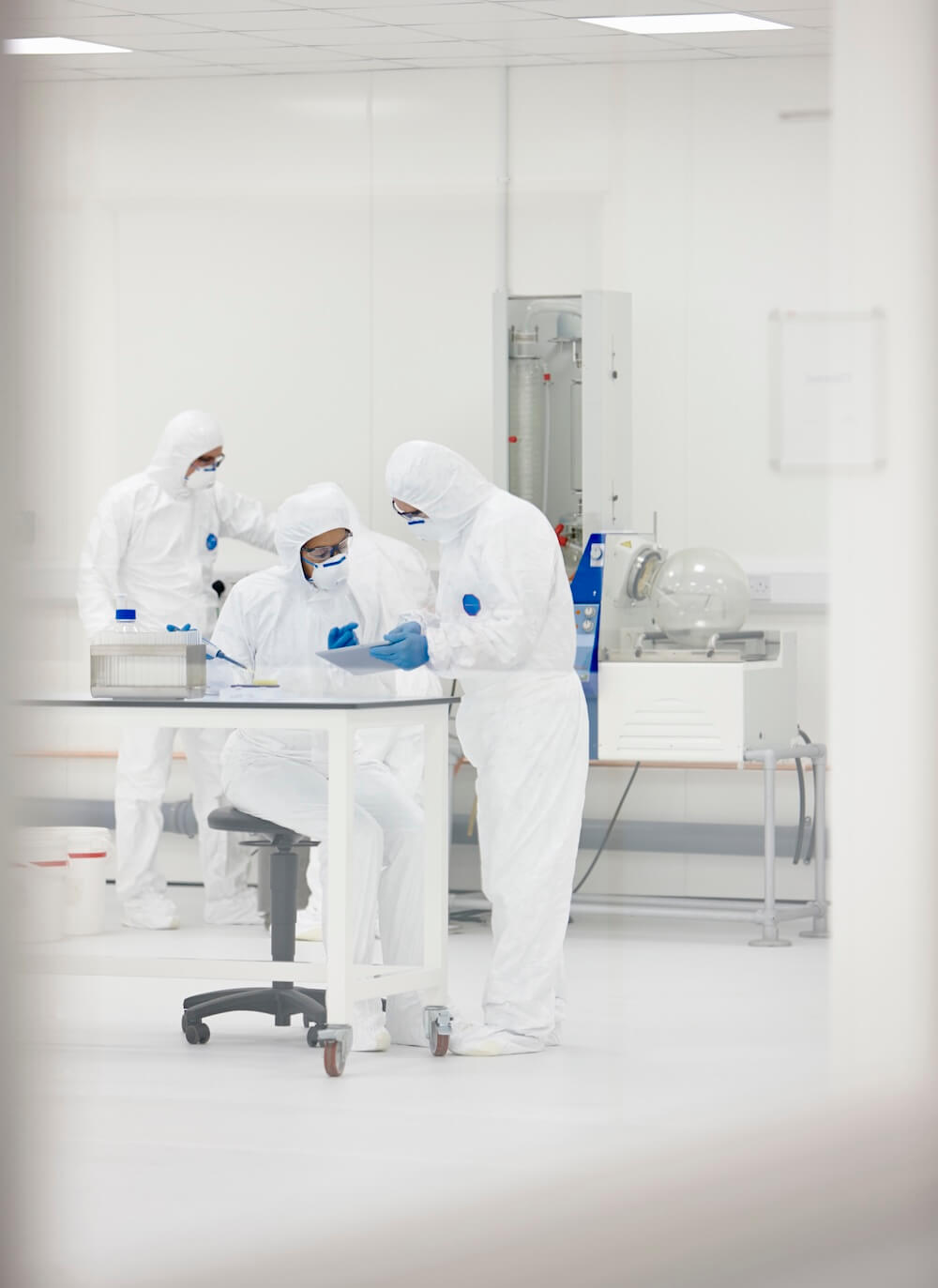
If you’re planning an expansion or bringing operations to Indiana, hiring deserves a place in the plan early. It’s easier to line up key people before startup than to scramble for them when equipment is ready.
- Validation before startup. Plans for process, equipment, computer systems, and test method validation need to be underway before production begins. The people doing that work should be part of the plan early.
- Quality built into the operation. That means quality systems, CAPA, batch records, supplier quality, and audit readiness. It’s easier to build sound practices in from the beginning than to retrofit them after issues surface.
- Regulatory support at the right points. Whether you’re preparing FDA or EU submissions, running mock inspections, or working through a gap analysis, experienced regulatory help can keep small issues from becoming bigger ones.
- Engineering experience in regulated environments. Process, packaging, controls, automation, and facilities all have their own demands. Engineers who have worked in regulated manufacturing know that the details and documentation are part of the job.
- IT with a compliance mindset. Manufacturing systems need to support data integrity and validated software. It helps to have people who understand both the technology and the expectations around it.
- Staffing that can change with the work. Startup may call for a larger team of specialists. After launch, the mix may shift. Contract, contract-to-hire, direct hire, or project support can each make sense at different points.
Where Indiana-Based Theoris fits
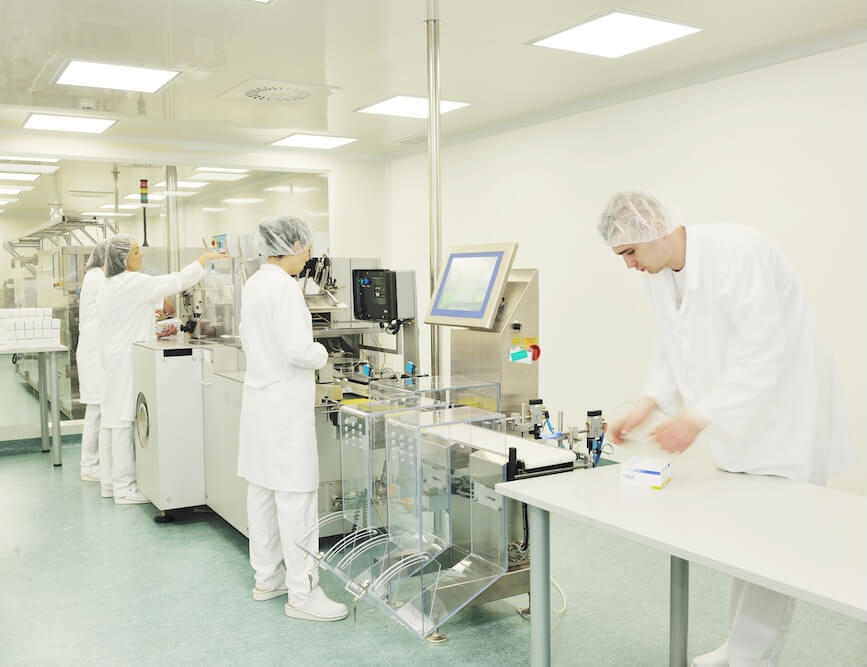
Theoris has been in Indianapolis since 1984, long before today’s expansion announcements. We know the region and its life sciences talent market, including the specialized roles it takes to get regulated operations up and running.
Our work spans medical device, pharmaceutical, and biotech companies across the product life cycle, from clinical development through manufacturing, distribution, sales, and marketing. We help clients find people in validation, quality systems, regulatory affairs, compliance, engineering, and IT.
The team you need can look different at startup than it does a year later. We can help scale up for a push, then adjust as the operation settles in, using contract, contract-to-hire, direct placement, or project-based support.
Whether Indiana is still on the shortlist or construction is underway, it helps to talk through the talent plan before hiring becomes a bottleneck. Reach out to the Theoris team and we’ll help you think through the people you’ll need at each stage.