Frameworks for Change: A Complete 3-Part Video Series on Change Management

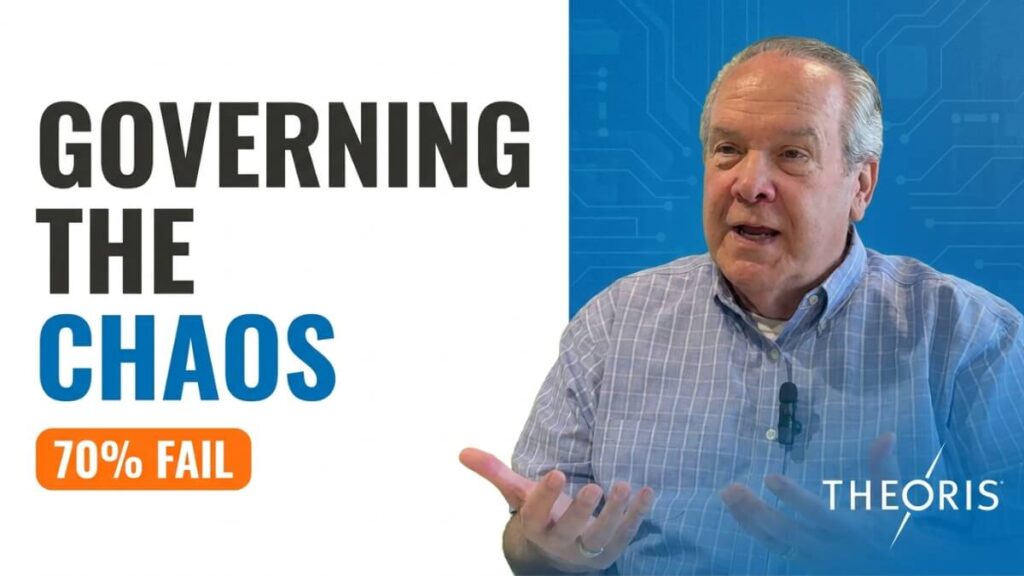
Why Do Projects Go Sideways? Steve Kelly Literally Wrote the Book on It.
June 19, 2026
The Uninvited Third Chair: How AI Is Gaming Both Sides of Hiring
July 22, 2026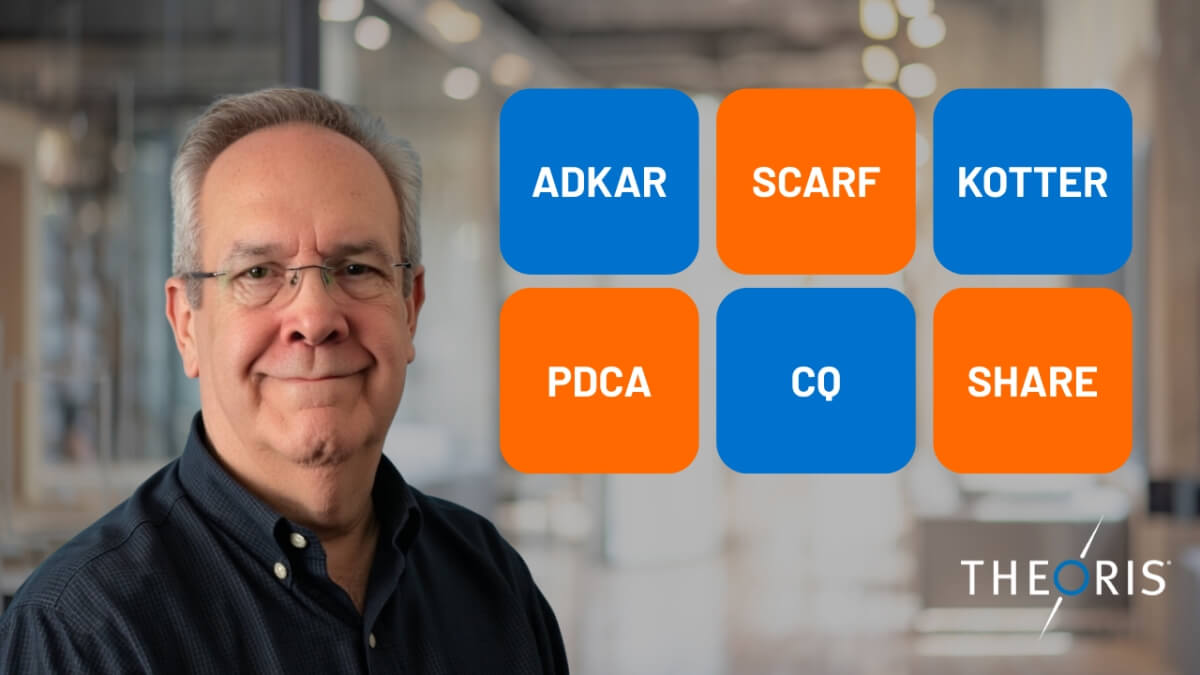
Most change programs don’t fail because of poor execution. They fail because the wrong questions were asked at the start, or the wrong model was applied to the wrong problem, or no one ever checked whether the change stuck.
In this three-part video series, Steve Kelly breaks down the most common mistakes in change management and walks through a deliberate, stackable approach to getting it right. Whether you’re a seasoned change practitioner or leading your first transformation, these videos will change how you think about where to start and how to finish.
“If the diagnosis was wrong, no amount of clever change management saves you. You’ll just be moving people very proficiently in the wrong direction.” – Steve Kelly, Author of Governing the Chaos of Project Management
Part 1: The change landscape
OD and OCM sound like they mean the same thing. They don’t, and confusing them is the number one reason change programs quietly fizzle out. Organizational Development asks what needs to change and why. Organizational Change Management asks how to move people through that change without losing them. One is upstream of the other, and sequence matters.
In Part 1, Steve covers the OD and OCM framework landscapes, introduces the Cynefin model for classifying complexity, and makes the case for stacking frameworks rather than substituting them.
In this video, you’ll learn:
- Why OD and OCM are sequential, not interchangeable
- The diagnostic frameworks that reveal what’s happening before you announce a change
- The OCM frameworks that give your program cadence, rhythm, and staying power
- How to use Cynefin to classify complexity before you choose your approach
- Why the answer is always to stack frameworks, not substitute them
Part 2: Six frameworks that stack
Knowing the right frameworks is one thing. Knowing how to stack them is what separates real change work from change theater. In Part 2, Steve walks through six frameworks that work better together than any one of them does alone: ADKAR, SCARF, Kotter, PDCA, Change Intelligence (CQ), and SHARE.
Each one answers a different question at a different layer. SHARE covers the lifecycle. Kotter runs the program. ADKAR diagnoses the individual. SCARF addresses the brain. CQ focuses on the leader. PDCA keeps the rhythm honest.
In this video, you’ll learn:
- Why most change programs mistake a desire problem for an awareness problem
- How SCARF turns “they’re resisting” into targeted, actionable design
- How to pair Kotter and ADKAR to diagnose exactly where people are stuck
- Why change without PDCA is just beautiful staging with no learning
- How SHARE’s permanence test reveals about whether your change is finished
Part 3: Selecting the right methodology
This is where most programs pick the wrong tire for the weather. The goal isn’t to find the best framework. It’s to ask the right question: what kind of problem is this, and which model addresses each layer?
In Part 3, Steve introduces a six-step process for building a deliberate stack and 11 checkboxes that reveal predictable gaps before they become costly ones. He also maps common failure modes to the exact framework that was missing, so you can diagnose what went wrong and know how to fix it.
In this video, you’ll learn:
- The six steps to building a deliberate change stack
- 11 checkboxes that reveal predictable gaps before they become costly ones
- The do’s and don’ts of process selection (including why approving the budget is not sponsorship)
- How to map common failure modes to the exact framework that was missing
- Why adoption that fades at 18 months was never embedded — it was just polite
Theoris has spent over four decades solving the hard technical and human problems behind real change. If you’re navigating a transformation and want a partner who can help you build the right stack or team, we’d love to talk.